




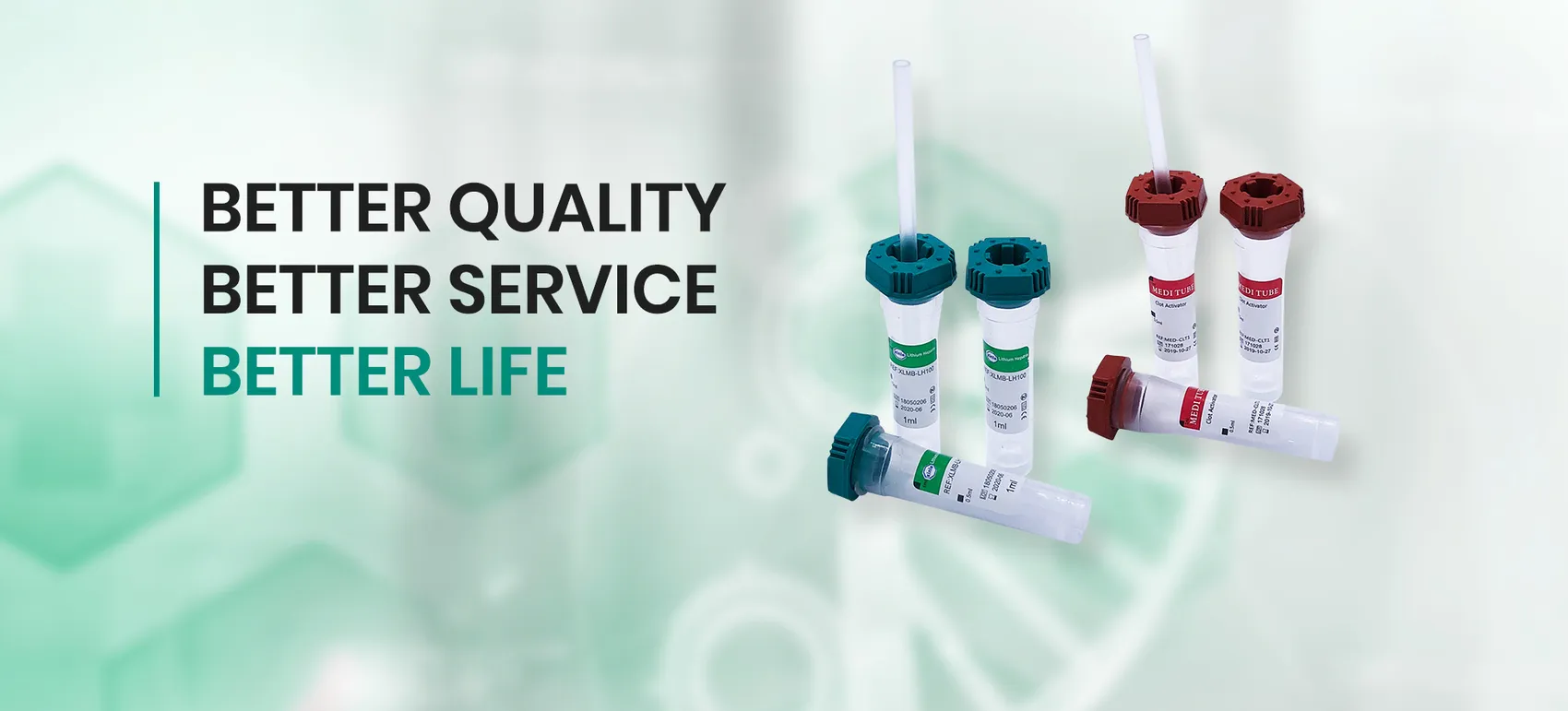

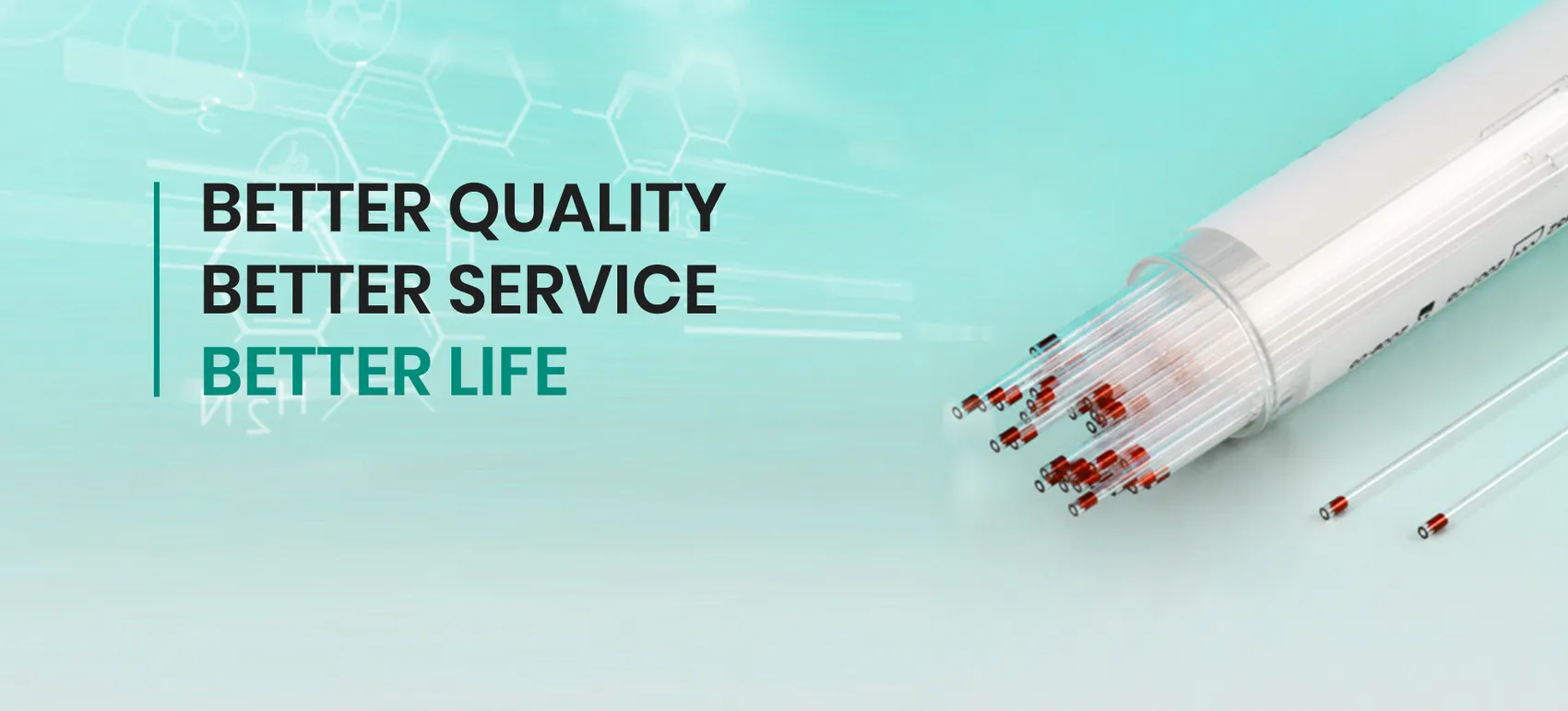
Gel & Clot Activator Tube
Gel & clot activator tube is used in blood collection and storage for biochemistry and immunology. It contains a barrier gel that is present in the bottom of the tube.The density of this material causes it to move upward during centrifugation to the serum-clot interface, where it forms a barrier separating serum from fibrin and cells. Serum may be aspirated directly from the collection tube, eliminating the need for transfer to another container. For specific parameter stability, refer to the recommendations of the assay and/or instrument manufacturer.

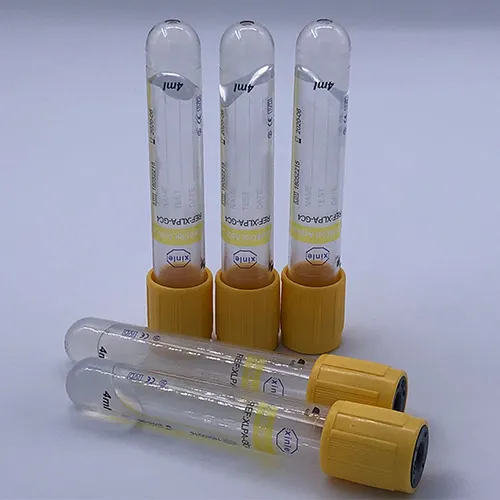
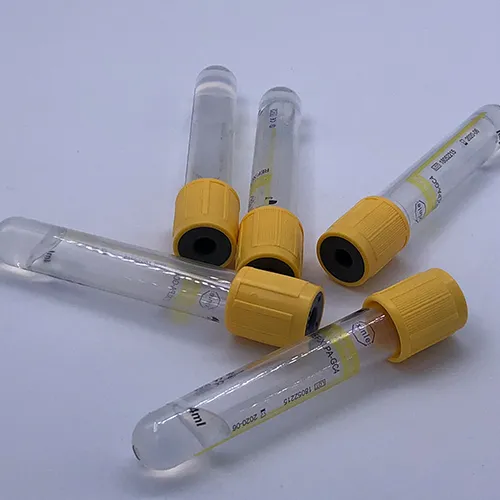
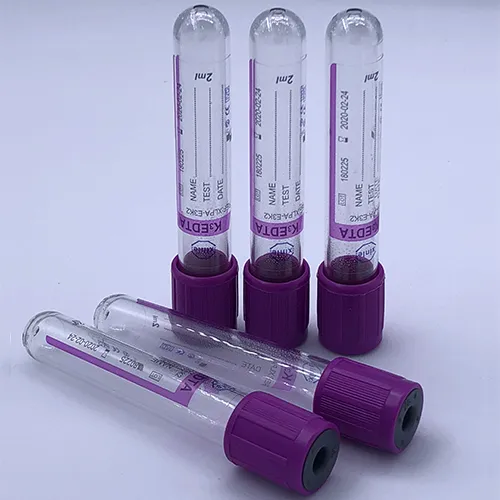
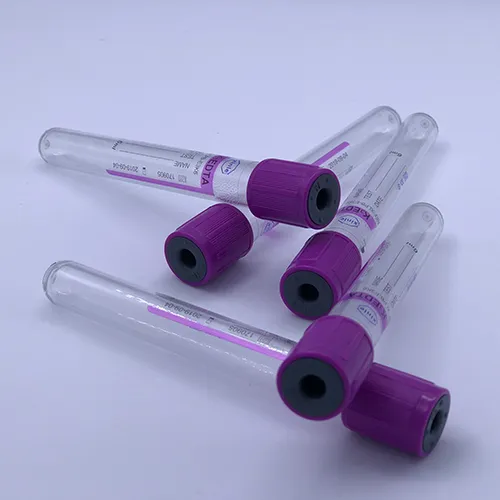
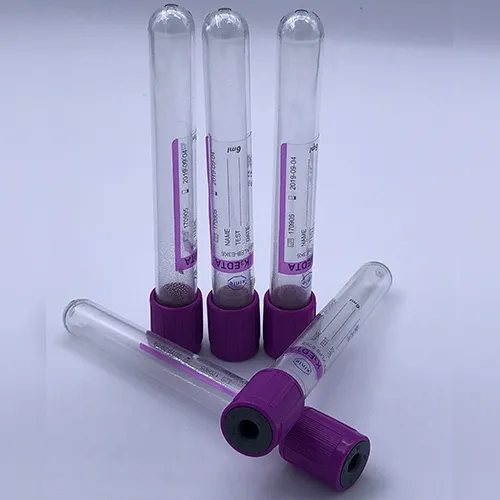
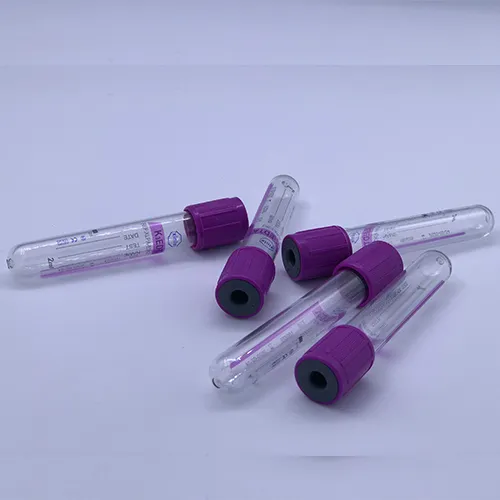
EDTA Tube
EDTA tube is widely used in clinical hematology as well as various kinds of blood cell test instruments. The interior of the tube wall is coated with either K2EDTA or K3EDTA. The EDTA binds calcium ions thus blocking the coagulation cascade. EDTA tube can be used in the closed mode with direct sampling analysers. Meanwhile, it offers a comprehensive protection for blood cell, especially for protecting the blood platelet, so that it can effectively stop the gathering of blood platelet and makes the form and volume of blood cell uninfluenced in a long time. The ultrasonic spraying technique is used during the production process, which ensures complete and rapid decentralization of the additive, and thus sufficient mixing with the blood specimen.

Plain Tube (No Additive Tube)
Plain Tube (No additive tube) is used in blood collection and storage for biochemistry, immunology and serology tests in medical inspection. It can provide enough and unpolluted serum specimen for clinical test, while keeping the serum invariable in the long inspection period. It is applicable for all current mainstream biochemical analyzers.

Pro-Coagulation Tube
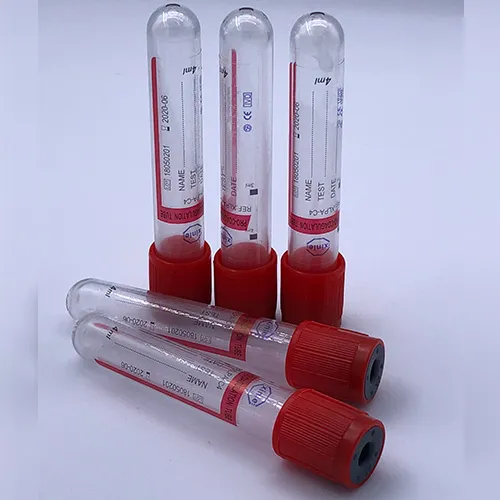
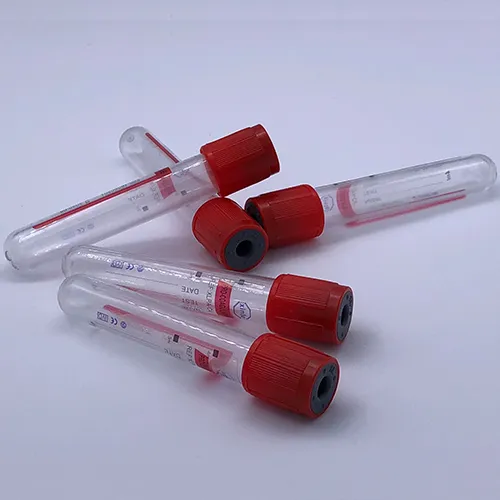
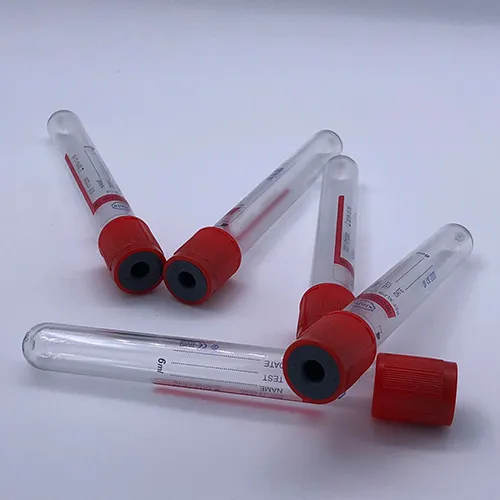
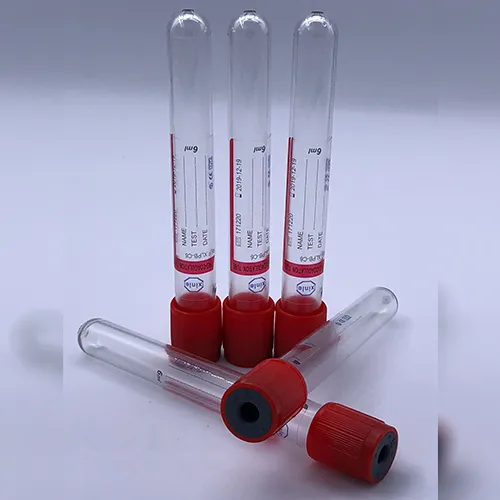
Pro-coagulation Tube is used in blood collection and storage for biochemistry and immunology tests. It is coated with micronized silica particles which activate clotting in a comparatively short time. Its main merit is that it’s suitable for a wide range of operation, fast in coagulation, and free from both secondary separation of fibrin protein and the cracking of blood corpuscle. High quality serum can be acquired after centrifugation, meeting the requirement of fast clinic and emergency medicine.

PT Tube
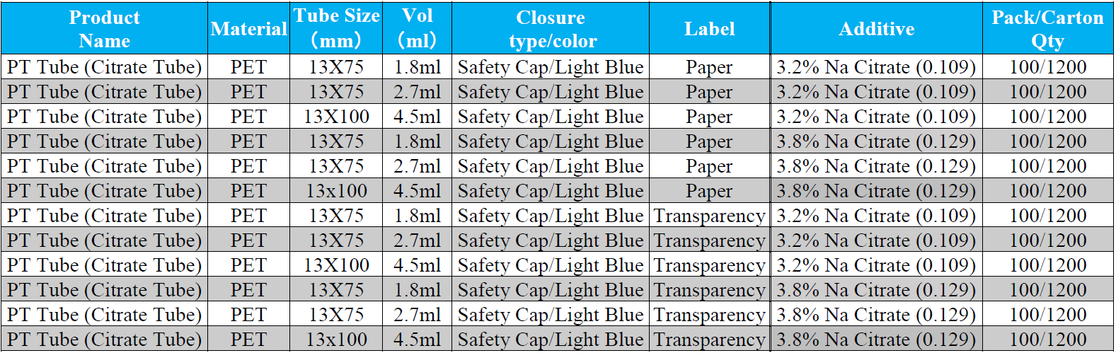
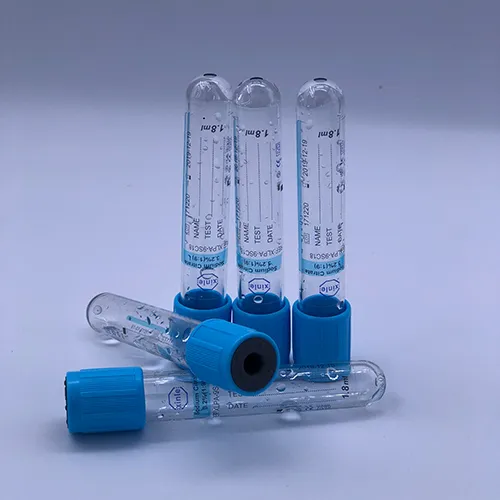
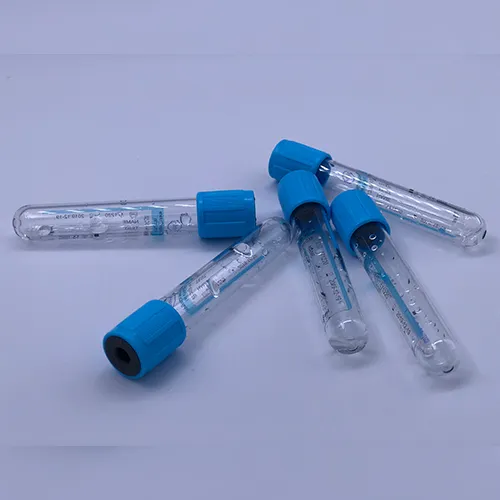
Citrate Tube (9NC 0.109M)/(9NC 0.129M) is mainly used for coagulation test. Citrate concentrations of either 0.109 mol/l (3.2 %) or 0.129 mol/l (3.8 %) are available. The choice of the concentration depends upon the policies of the laboratories. The mixing ratio is 1 part citrate to 9 parts blood. It can provide buffered system and ultrahigh surface energy surface of blood specimen and avoid the activation of blood platelet. It can provide an excellent condition for the test of PT and APTT values. The choice of the concentration depends upon the policies of the laboratories. Care for that soon after blood sampling,mixing it 5-6 times by turning the tube 180°
Lithium Heparin Tube
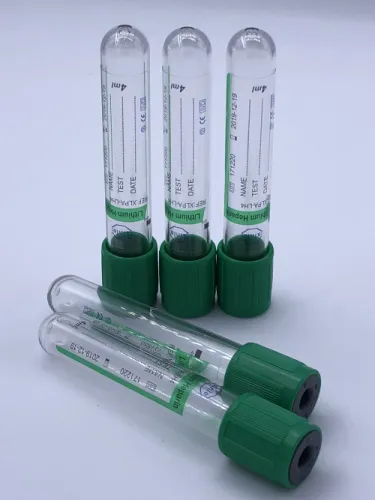
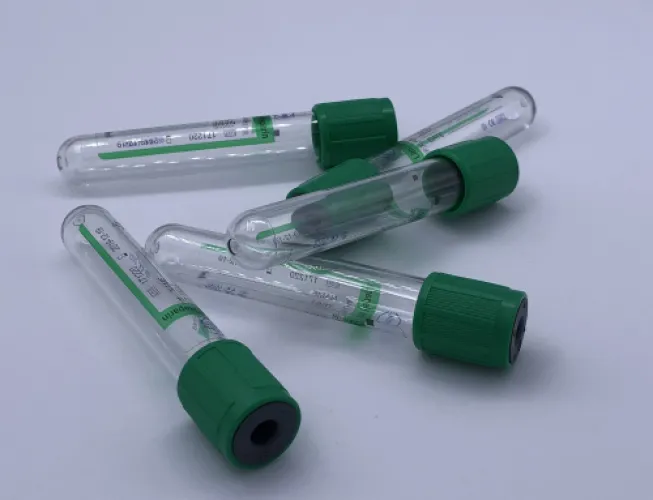
Heparin Tube is used in blood collection and anti-coagulation not only for routine clinical biochemistry tests and emergency biochemistry tests but also for some test items in blood rheology. It is coated with heparin lithium or heparin sodium . The anticoagulant heparin activates antithrombins,thus blocking the coagulation cascade and producing a whole blood/ plasma sample instead of clotted blood plus serum. Soon after the sampling, turn the tube 180°upside down,shaking and mixing 5-6 times.Heparin Anticoagulation Blood sample should be used within 6 hours after sampling, otherwise, the blood will coagulate again.

Glucose Tube
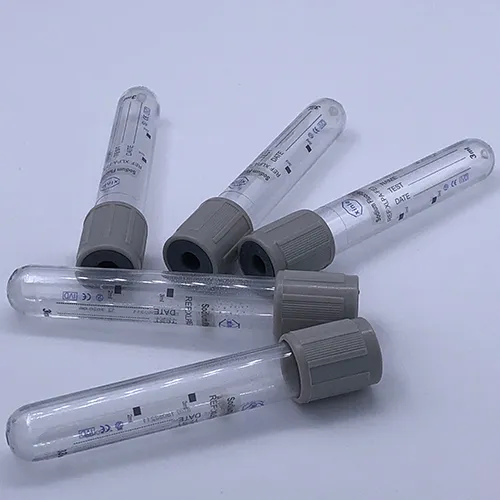
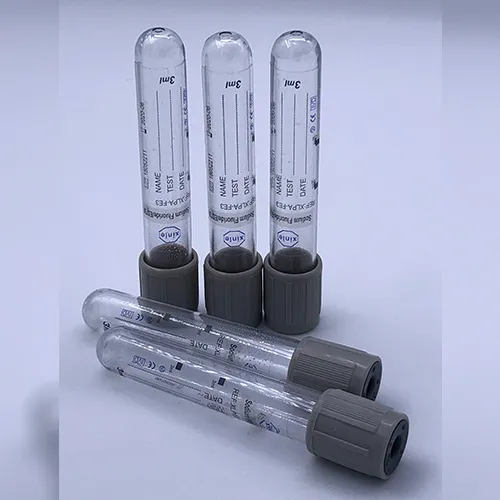
Glucose Tube is used in blood collection and anticoagulation for the analyses such as blood sugar, sugar tolerance, antialkali haemoglobin and sugar water. Glucose Tubes are available with different additives. The tubes contain a stabilizer and an anticoagulant, Sodium Fluoride and Potassium Oxalate or Sodium Fluoride and EDTA. Glucose tubes are suitable for the analysis of blood sugar and lactate.

ESR Tube
ESR Tube is used in blood collection and anticoagulation for sedimentation rate test.It contains a 3.8% buffered tri-sodium citrate solution(0.129 mol/l)with the mixing ratio of 1 port citrate solution to 4 parts blood.ESR measurement refers to the Westergren method.Sampling the blood dosageas required to ensuring the test accuracy.
